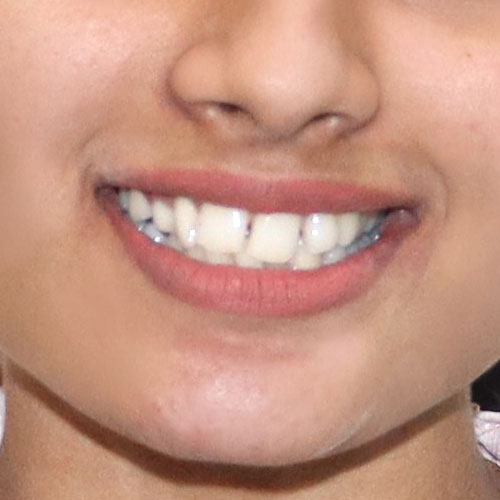
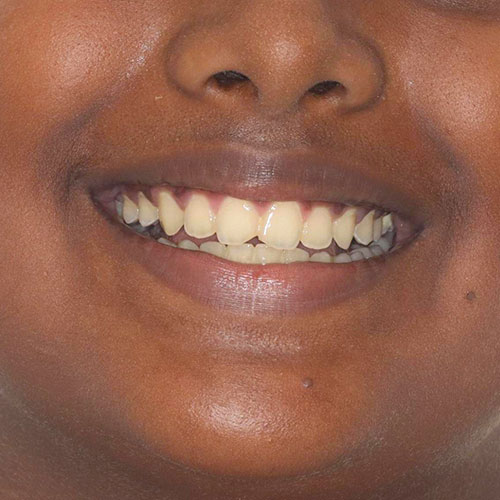
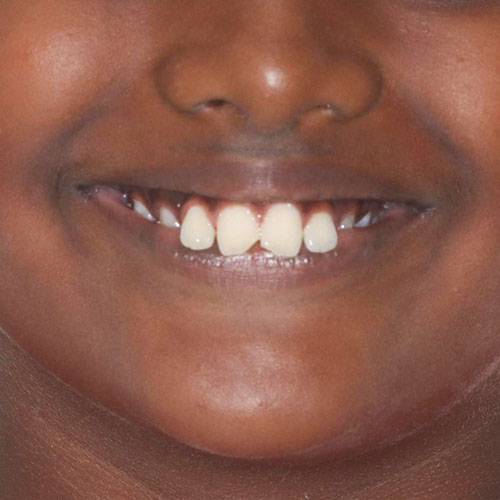
Precision Alignment. Functional Balance. Confident Smiles.
At Craft 32 Dental Care, orthodontic treatment is approached as a balance of science, aesthetics, and long-term oral health. Our goal is not only to align teeth, but to create harmony between your smile, bite, and facial structure. Led by Dr. A. Arul Pradeep, each case is evaluated through clinical expertise, modern diagnostics, detailed assessment and a personalized treatment approach tailored to every patient.
More than just straight teeth—orthodontics transforms smiles and oral health. Enjoy improved comfort, function, and confidence every day.
In growing patients, orthodontics can also guide jaw development, helping prevent more complex issues in the future. Beyond aesthetics, treatment improves oral hygiene, reduces strain on the jaw, and promotes long-term dental stability.
Non-Surgical Orthodontics
Orthodontic treatment can modify and improve the dental arch form, especially when the issue is dental or growth-related:
This is most effective in :
Structured Care for Every Age Group
Orthodontic treatment is not limited to straightening teeth—it involves correcting alignment, bite, and jaw relationships to achieve long-term stability and function.
We provide a complete range of orthodontic solutions, combining modern aligners with growth-guided techniques.
Invisalign First is intended for children aged 8 to 10 years who are in the early stages of growth and dental development.
Clear aligners including Invisalign®, Spark®, and Illusion® are suitable for teens and adults. In selected cases, early intervention aligner therapy may begin from approximately 8 years of age, with progression to comprehensive aligner treatment as dental development advances.
For patients who have been growing or near-completing jaw growth and completed jaw growth:
Ideal for alignment-focused correction without the need for fixed braces.
Types of Damon Braces
Damon Metal Braces
Best for: Maximum control and efficiency
Damon Clear Braces (Aesthetic Option)
Best for: Patients wanting aesthetic + fixed braces solution
Damon Ultima Braces (Advanced Precision System)
Best for: Patients seeking advanced precision orthodontics with superior control, comfort, and aesthetic smile outcomes
| Features | Damon Metal | Damon Clear | Damon Ultima |
|---|---|---|---|
| Visibility | Visible | Less visible | Sleek, modern profile |
| Strength | Very high | High | Very high (precision engineered) |
| Aesthetics | Low | High | Moderate–High |
| Mechanism | Self-ligating | Self-ligating | Advanced self-ligating (enhanced control system) |
| Friction Level | Low | Low | Ultra-low friction |
| Control & Precision | Good control | Good control | Superior control with highly precise tooth movement |
| Case Suitability | Moderate–complex | Moderate–complex | Complex, precision-driven cases |
| Option | Visibility | Removable | Best For |
|---|---|---|---|
| Metal Braces | Visible | No | Complex cases |
| Damon Clear Braces | Less visible | No | Moderate to complex aesthetic cases |
| Clear Aligners | Nearly invisible | Yes | Mild to moderate cases |
In growing children, orthodontics focuses on guiding jaw development, not just aligning teeth.
Myobrace System
Palatal Expanders
Functional & Bite Correction Appliances
| Features | Conventional Metal Braces | Conventional Ceramic Braces | Damon Metal Braces | Damon Clear Braces | Damon Ultima |
|---|---|---|---|---|---|
| Bracket Type | Metal brackets with elastic ties | Tooth-coloured ceramic brackets with elastic ties | Self-ligating metal brackets | Self-ligating clear ceramic brackets | Advanced self-ligating Damon system |
| Appearance | Most visible | Less visible | Sleeker than conventional metal | Discreet / aesthetic | Sleek, modern profile |
| Mechanism | Conventional ligation | Conventional ligation | Passive self-ligating | Passive self-ligating | Advanced ultra-low friction system |
| Elastic Ties Required | Yes | Yes | No | No | No |
| Friction Level | Higher | Higher | Lower | Lower | Ultra-low friction |
| Comfort Level | Moderate | Moderate | Improved comfort | Improved comfort | Highest comfort with smoother movement |
| Treatment Efficiency | Effective, may need more adjustments | Effective, slightly slower | More efficient | More efficient with aesthetics | Highly precise and efficient |
| Clinic Visits | More frequent(tightening needed) | More frequent | Fewer visits | Fewer visits | Fewer, more streamlined visits |
| Strength & Durability | Very strong | Moderate (can chip) | Very strong | High (but less than metal) | Very high, precision engineered |
| Oral Hygiene | Moderate | Slightly difficult (ties stain) | Easier (no elastics) | Easier | Best hygiene accessibility |
| Stain Resistance | High | Lower (ties stain) | High | Better than ceramic braces | High |
| Case Suitability | Mild to complex | Mild to moderate | Moderate to complex | Moderate to complex | Complex, precision-driven cases |
| Alignment Stability | Good (depends on retention) | Good | Improved due to controlled movement | Improved | Enhanced long-term stability with precise control |
| Aesthetic Level | Low | Moderate–High | Moderate | High | Moderate–High |
| Technology Level | Traditional | Traditional aesthetic | Advanced self-ligating | Advanced aesthetic self-ligating | Latest-generation Damon technology |
| Best For | Budget-friendly, strong correction | Aesthetic-conscious patients | Comfort + efficiency | Aesthetic + comfort | Precision, advanced correction |
| Typical Patient Preference | Traditional | Aesthetic | Balanced performance | Discreet treatment | Premium, high-precision |
Orthodontic treatment can play a significant role in expanding and correcting the upper dental arch, particularly in:
This is typically achieved using arch expansion techniques and appliances.
In adults, expansion is more limited due to completed bone growth. In such cases:
Early intervention can prevent complex problems later
Reduces need for extractions or surgery
Supports proper facial and jaw development
Advanced diagnostics and planning ensure accuracy and predictability.
Each treatment plan is tailored to your lifestyle, comfort, and clinical needs.
Focus on results that are functional, balanced, and lasting.
Children (Early Intervention)
Guiding jaw growth and preventing complex issues.
Teenagers
Effective and aesthetic solutions for growing patients.
Adults
Discreet orthodontic options designed for professional lifestyles.
Most orthodontic treatments typically range from 6 to 24 months, depending on the complexity of the case. A clear timeline is provided after your consultation.
A comprehensive orthodontic evaluation helps determine:
"Had a wonderful experience with
Dr. Arul Pradeep and his team in my orthodontic journey. Glad with the outcome ! Patient friendly dental clinic in vadapalani with quality results in every way."
“Hello Everyone, here, I'm Pavithira. I was the one who avoided smiling in public, around strangers, or even in pictures a year ago. I had absolutely no confidence. Due to my teeth's zigzag unevenness. After that, I found Dr. Arul Pradeep and my teeth truly transformed completely and are now flawless in just a year. Right now, I feel really confident. In addition, the staff and other doctors are quite nice and friendly as is Dr. Arul Pradeep. The appointment reminders and follow-ups are excellent. I had an amazing time all around. I suggest it to everyone who desires a radiant smile 😃.”
“I had a wonderful experience at this clinic. The dentist is not only skilled but also incredibly kind and explains every step of the procedure clearly, which really puts you at ease. The clinic is fully equipped with modern facilities. The assistant doctor and all the supporting staff were equally kind, patient and professional. They made the entire visit stress-free.”
Orthodontic treatment is designed to address a broad spectrum of dental and skeletal conditions affecting both aesthetics and function. These include crowded or overlapping teeth, spacing and gaps, overbite, underbite, crossbite, protruding teeth, and discrepancies in jaw alignment.
Beyond improving the appearance of your smile, orthodontic care plays a critical role in overall oral health. Properly aligned teeth are easier to clean and maintain, reducing the risk of decay and gum disease. Correcting bite irregularities helps distribute chewing forces evenly, minimizing strain on the jaw joints and preventing uneven tooth wear over time.
Absolutely. Orthodontic treatment not only enhances your smile but also contributes significantly to long-term dental health, functional efficiency, and overall well-being. Proper alignment supports better hygiene, reduces the risk of future dental complications, and promotes a balanced, confident appearance.
Yes, orthodontic treatment is safe when performed under specialist supervision. At Craft 32 Dental Care, all treatments are carefully planned using advanced diagnostics to ensure controlled, predictable, and biologically safe tooth movement.
Treatment is planned using advanced digital diagnostics, including detailed scans, imaging, and clinical evaluation. This enables precise, customised, and predictable tooth movement, ensuring that each treatment plan is tailored to the patient's unique dental and facial structure.
Yes. In many cases, advanced digital simulations can provide a visual preview of the expected results. This helps you understand the treatment process, expected changes, and final outcome before beginning, offering clarity and confidence in your decision.
At Craft 32 Dental Care, we offer a comprehensive range of orthodontic solutions:
Options available
All treatments are planned following a detailed clinical and digital evaluation by Dr. A. Arul Pradeep, ensuring precision, predictability, and patient comfort.
Clear aligners, including Invisalign Aligners, are highly effective for most children, teenagers, and adults with mild to severe alignment and bite concerns. They offer a discreet and flexible treatment option that integrates seamlessly with modern lifestyles.
For younger patients, early aligner-based solutions such as Invisalign First may be considered depending on dental development. In more complex cases, additional orthodontic techniques or hybrid approaches may be recommended to ensure the best possible outcome.
In certain moderate to complex orthodontic cases, braces may provide more controlled and effective tooth movement. The most suitable option is determined based on detailed clinical evaluation and treatment goals.
Clear aligners are the most discreet orthodontic option, being virtually invisible during use. Ceramic braces and Damon clear brackets provide aesthetic alternatives for patients who prefer fixed appliances, while traditional metal braces are more visible but remain highly effective for all types of cases.
Tooth removal is not always necessary. It may be recommended in certain cases where space is limited or alignment cannot be achieved otherwise. The decision is made conservatively, with a strong focus on preserving natural teeth whenever possible.
Orthodontic evaluation is recommended from around the age of 8, when early signs of jaw or alignment concerns can be identified. At this stage, interceptive orthodontics can guide proper growth and significantly reduce the complexity of future treatment.
That said, orthodontic treatment is not limited by age. Adults can successfully undergo treatment with excellent outcomes, thanks to modern techniques and discreet options such as clear aligners. It is never too early — or too late — to achieve a balanced, healthy smile.
The duration varies depending on the complexity of the case, the type of appliance used, and individual biological response.
A precise and personalized treatment timeline is provided following your initial consultation, ensuring complete clarity before treatment begins.
Follow-up visits are typically scheduled every 4–8 weeks, depending on the treatment type and progress. Clear aligner treatments may require fewer in-clinic visits, with structured monitoring systems ensuring accurate and timely results.
Orthodontic treatment is designed to integrate smoothly into your daily life. While there may be a short adjustment period, most patients adapt quickly. Clear aligners offer greater flexibility as they can be removed for meals and oral hygiene, while braces require minor dietary and care adjustments.
Modern orthodontic systems are designed with patient comfort in mind. Advanced materials, low-friction mechanics, and improved techniques help reduce pressure, irritation, and overall discomfort, ensuring a smoother and more comfortable treatment experience.
In many cases, orthodontic treatment can subtly enhance facial balance by improving lip support and jaw alignment. The goal is not to alter your appearance dramatically, but to achieve a more harmonious and natural profile.
In some cases, correcting bite alignment can help reduce strain on the jaw and improve associated discomfort. However, TMJ conditions vary, and a detailed evaluation is required to determine the most appropriate treatment approach.
Aligners require consistent wear for optimal results, typically 20–22 hours per day, while braces work continuously once placed. The success of aligner treatment depends heavily on patient compliance, whereas braces provide a more passive form of continuous correction.
Maintaining good oral hygiene is essential throughout orthodontic treatment. This includes brushing thoroughly after meals, flossing regularly, and attending routine dental check-ups. For patients with braces, additional tools such as interdental brushes or water flossers may be recommended to ensure effective cleaning around brackets and wires.
Minor orthodontic issues such as loose brackets, wire irritation, or damaged aligners can usually be managed temporarily at home. However, it is important to contact the clinic promptly for proper guidance and timely correction to avoid delays in treatment progress.
Yes, the retention phase is an essential component of orthodontic care. Once teeth have been aligned, they naturally tend to shift over time if not supported. Custom retainers are provided to stabilize the results and preserve the alignment achieved through treatment. You will receive clear, personalized guidance on how long and how often to wear them to ensure long-term success.
Teeth can shift naturally over time due to aging, bite forces, and changes in oral structures. Wearing retainers as advised is essential to maintain long-term alignment stability and protect your treatment results.
Incomplete treatment may lead to unstable or partially corrected results. It is important to follow the recommended plan fully to achieve optimal alignment, function, and long-term stability.
Flexible payment options may be available depending on the treatment plan. Our team will guide you through available options to make treatment more convenient and accessible.
For optimal results, aligners should be worn for 20 to 22 hours per day. They should only be removed while eating, drinking anything other than water, and during oral hygiene routines. Consistent wear is essential to ensure predictable and timely progress.
Some patients may notice a slight adjustment in speech during the initial days of wearing aligners. This is temporary, and most individuals adapt quickly as they become accustomed to the aligners.
Aligners should be removed before eating or drinking anything other than water. This helps prevent staining, damage, and hygiene issues. After meals, it is advisable to clean your teeth before reinserting the aligners.
Aligners should be cleaned daily using a soft brush and lukewarm water or a recommended cleaning solution. Avoid hot water, as it may distort the aligners. Proper maintenance ensures clarity, hygiene, and effectiveness.
If an aligner is lost or damaged, it is important to contact the clinic promptly. Depending on your stage of treatment, you may be advised to wear the previous or next set temporarily until a replacement is arranged.
In some cases, small tooth-coloured attachments may be placed to enhance aligner grip and precision of movement. These are discreet and play an important role in achieving optimal results.
Aligners are typically changed every 1 to 2 weeks, depending on your personalised treatment plan. Each new set gradually moves your teeth closer to the final position.
In suitable cases, aligners can offer comparable or sometimes shorter treatment durations. However, timelines depend on the complexity of the case and patient compliance.
Traditional metal braces are visible, but aesthetic options such as ceramic braces and Damon clear brackets are designed to be more discreet while maintaining clinical effectiveness.
Mild discomfort or pressure may be experienced after placement or adjustments. This is temporary and usually subsides within a few days as the teeth begin to move.
Yes. Hard, sticky, or chewy foods should be avoided as they can damage brackets or wires. Maintaining a careful diet helps ensure smooth and uninterrupted treatment.
If a bracket becomes loose or a wire causes discomfort, it is important to contact the clinic promptly. Minor issues can be easily managed during a follow-up visit.
A Confident Smile Begins with Precision Care
Schedule your consultation and take the first step toward a balanced, well-aligned smile.